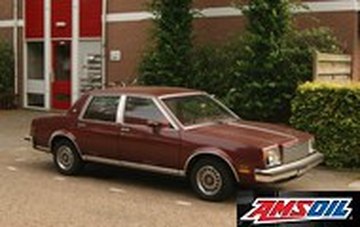
1980 Buick SKYLARK Oil Change and Maintenance Guide
ABOUT THIS VEHICLE AND ENGINE
The 1980 Buick SKYLARK represents a specific era of American automotive design, characterized by the compact and mid-size platforms utilized during this period. This particular application is equipped with a 2.8L engine. Maintaining an older vehicle requires an understanding of its specific mechanical needs to ensure continued operation and to preserve the integrity of the engine components.
When performing 1980 Buick SKYLARK maintenance, it is essential to focus on the unique requirements of this displacement and model year. Because vehicles from this era have been in service for several decades, routine inspections often reveal more about the vehicle's condition than modern, newer-generation automobiles.
CHOOSING ENGINE OIL
Selecting the correct Buick SKYLARK engine oil is a critical step in any service interval. While many modern lubricants are available, you must ensure that the lubricant you choose is compatible with the specific requirements of your 2.8L engine. Match the engine oil to the application-specific viscosity information shown above on this page.
When shopping for oil, consider the following options:
- Conventional Oil: A standard petroleum-based lubricant suitable for many older engine designs.
- Synthetic and Synthetic Blends: These formulations often provide enhanced thermal stability and better resistance to oxidation compared to conventional oils.
- High-Mileage Formulations: Some high-mileage oil formulations contain additives intended for use in aging engines, such as seal-conditioning additives.
- API Certification: Always look for oil that meets current American Petroleum Institute (API) service standards to ensure the lubricant provides adequate deposit control and engine protection.
Proper lubrication is vital for cold-start protection and maintaining a stable film of oil under various operating temperatures.
WHY ENGINE OIL MAINTENANCE MATTERS
Regularly performing a 1980 Buick SKYLARK oil change is one of the most effective ways to manage engine health. The primary function of engine oil is to provide lubrication, which significantly reduces friction between moving internal parts. This reduction in friction helps protect critical components such as bearings and other moving assemblies.
Beyond lubrication, engine oil plays a major role in heat management by helping to dissipate thermal energy away from high-friction areas. Furthermore, clean oil prevents the buildup of sludge and deposits that can occur when oil breaks down due to heat or contamination. Maintaining fresh oil helps ensure consistent performance and protects against the long-term effects of internal wear.
AGE-RELATED MAINTENANCE
As a vehicle from 1980, certain components may require more frequent attention due to their age. When performing maintenance, it is wise to look for signs of aging in various systems:
- Gaskets and Seals: Inspect accessible gaskets and seals for signs of age-related seepage or leakage.
- Rubber Components: Check the condition of hoses and any accessible belts for cracking, glazing, or fraying.
- Electrical Systems: Examine electrical connections and wiring for signs of brittleness or corrosion.
- Cooling System: Periodically inspect the cooling system for evidence of leaks or degradation.
- Air Filtration: Ensure the air filtration system is clean to prevent debris from entering the engine intake.
Identifying these issues early can help prevent more significant mechanical complications later.
WHAT TO INSPECT DURING AN OIL CHANGE
A 1980 Buick SKYLARK oil change provides an excellent opportunity to perform a comprehensive visual inspection of the engine bay. During this process, you should examine several key areas:
- Oil Filter and Drain Plug: Check the oil-filter sealing area and ensure the drain plug is secure. Inspect the condition of the sealing washer on the drain plug.
- Leak Detection: Look for any evidence of leaks around the engine or near the oil pan.
- Drive Belts and Hoses: If equipped, inspect accessible drive belts for deterioration. Check all visible hoses for softness, swelling, or cracks.
- Fluid Integrity: Look for signs of cooling-system leaks or other fluid seepage in the vicinity of the engine.
- General Cleanliness: Note any signs of neglected maintenance, such as heavy buildup of grime or debris, which can hide developing leaks.
OIL-RELATED WARNING SIGNS
While many issues are not immediately apparent, certain symptoms warrant closer investigation during your 1980 Buick SKYLARK maintenance routine. If you notice any of the following, it may indicate a need for professional inspection:
- Unexplained Oil Loss: A sudden or consistent drop in oil levels between changes.
- Visible Leakage: Puddles under the vehicle or wetness around engine components.
- Burning Odors: An odor that may indicate oil is contacting a hot surface.
- Abnormal Appearance: Oil that appears excessively dark, gritty, or contains visible metallic contamination.
- Unusual Engine Noise: Any new or changing sounds coming from the engine area.
It is important to remember that these symptoms can have multiple causes; they are indicators that a system should be investigated rather than an immediate diagnosis of a specific failed part.
VEHICLE HISTORY AND LONG-TERM OWNERSHIP
For owners of a 1980 Buick SKYLARK, long-term reliability is often tied to the quality of previous care. Maintaining detailed service records can be highly beneficial for tracking the history of repairs and parts replacements. When managing an older vehicle, it is important to verify that replacement parts are compatible with this specific engine and model year.
Age-sensitive components, particularly rubber-based items like hoses and seals, should be monitored closely regardless of mileage. Signs of previous neglect, such as heavy sludge or poorly maintained electrical connections, can impact the overall longevity of the vehicle.
MAINTAINING AN OLDER 1980 BUICK SKYLARK
Preventative inspection is the cornerstone of maintaining a vehicle that is over four decades old. Rather than waiting for a component to fail, proactive checks of the cooling system, ignition components (if equipped), and air filtration systems can help maintain steady performance.
Regularly checking for leaks and inspecting the condition of wiring and connectors ensures that the electrical and mechanical systems remain integrated and functional. Consistent attention to these areas helps mitigate the effects of age on the vehicle's various subsystems.
BUYING ENGINE OIL FOR THE 1980 BUICK SKYLARK 2.8L
When purchasing engine oil for your 1980 Buick SKYLARK, prioritize quality and compatibility. Always select a reputable brand that meets the appropriate API certifications for your needs. Depending on your engine's condition and your driving habits, you may choose between conventional oil, synthetic blends, or full synthetic options.
If you are operating an engine with higher mileage, consider using high-mileage formulations that include seal-conditioning additives. Most importantly, ensure you match the oil to the application-specific viscosity information already displayed on this page to guarantee the correct lubrication properties for your 2.8L engine.